
The international developments of recent months have once again brought into focus the difficulties confronting nations in their pursuit of peace, security and stability. The continuing humanitarian suffering in Gaza, the conflict in Ukraine, and the wider instability affecting the Middle East, including the confrontation involving Iran, have demonstrated how rapidly regional crises can acquire international consequences.
Beyond the immediate destruction and loss of innocent lives, these developments affect economic confidence, energy supplies, international trade and the wellbeing of families far removed from the areas of conflict. At such a time, the responsibility of the international community is not simply to manage the consequences of confrontation, but to keep open the channels of dialogue and work towards a peaceful resolution. International law, respect for sovereignty and the protection of civilians must remain guiding principles, particularly when political circumstances make agreement difficult.
Recent developments in the United States also merit reflection. The congressional elections of the 3 November brought significant changes to the political balance, with the Democratic Party securing control of both chambers of Congress for the next congressional term. The conflict involving Iran, alongside concerns about living costs and wider domestic issues, featured prominently in the public debate surrounding these elections.
No electoral result can be explained by a single issue, yet the outcome is a reminder that decisions taken in foreign affairs can have consequences far beyond the diplomatic arena. The United States remains an indispensable international partner, and constructive cooperation with Europe continues to be of considerable importance. The changing balance in Washington also underlines the importance of functioning institutions, democratic accountability and sustained dialogue, especially when matters of international security call for difficult decisions.
Europe, for its part, faces responsibilities extending beyond its immediate economic and security interests. The consequences of the conflict in Ukraine, developments in the Middle East, migration pressures and the increasing demands placed upon European societies require a coordinated and considered response. European cooperation remains essential, but the pursuit of stability must also give sufficient importance to diplomacy and the peaceful settlement of disputes. Security and dialogue should not be regarded as opposing objectives.
A durable peace requires the protection of legitimate national interests, respect for international law and a willingness to address the circumstances that prolong confrontation. The European Union has an important role to fulfil through its diplomatic engagement, humanitarian assistance and cooperation with international partners. It should remain a forum in which differences can be addressed without allowing disagreement to close the door to diplomacy.
It is within this wider context that the establishment in Malta of the Global Council for Tolerance and Peace on 25 July 2017 assumes particular significance. The Council was established as an international platform to promote tolerance and peaceful coexistence, counter discrimination and religious intolerance, and encourage cooperation based on international law. Through its structures, including the International Parliament for Tolerance and Peace, it has the potential to bring parliamentary representatives and other institutions into closer dialogue.
I would particularly welcome efforts that lead to practical cooperation: exchanges between young people, educational initiatives that challenge prejudice, and sustained contact between communities that might otherwise remain divided. Where circumstances permit, such forums could also provide opportunities for discreet dialogue and the exchange of experience in conflict prevention. The measure of their contribution should be the trust they help to build and the practical results of their work, rather than the number of declarations they issue.
Malta is well placed to contribute to such efforts, not through any claim to exceptional influence, but through its constitutional commitment to neutrality and peace, its European Union membership and its longstanding engagement with Mediterranean partners. Successive Maltese governments have maintained a commitment to international dialogue and humanitarian cooperation. The present administration has continued that engagement, notably through the formal recognition of the State of Palestine on 23 September 2025 and the provision of humanitarian assistance to civilians in Gaza.
These initiatives form part of a broader national tradition which should continue to be strengthened through consistent and constructive diplomacy. Our geographical position brings responsibilities, but also opportunities to encourage understanding between Europe, North Africa and the wider Mediterranean. Malta’s credibility will depend upon the consistency of its principles, the reliability of its international relationships and its readiness to contribute in practical ways where it can make a difference.
The world is passing through a period in which established relationships are being tested and the consequences of political decisions are increasingly felt across national boundaries. This makes restraint, consistency and constructive engagement particularly important. Malta should continue to earn the confidence of its partners as a dependable country, capable of maintaining principled positions while encouraging dialogue and cooperation.
The pursuit of peace is neither a sign of weakness nor an alternative to the protection of legitimate interests. It demands patience, sound judgement and an understanding that lasting stability cannot be achieved through confrontation alone. For nations large and small, the challenge remains the same: to take decisions today that allow future generations to live with greater dignity, security and peace.
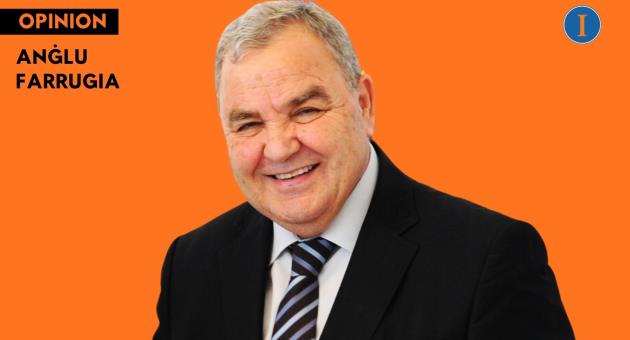
Dr Anglu Farrugia is former Speaker of the House of Representatives